
In short
- Keep dogs on a short lead near cliff edges.
- Leashes are required around grazing livestock.
- The paths are uneven and exposed to the weather.
In this article
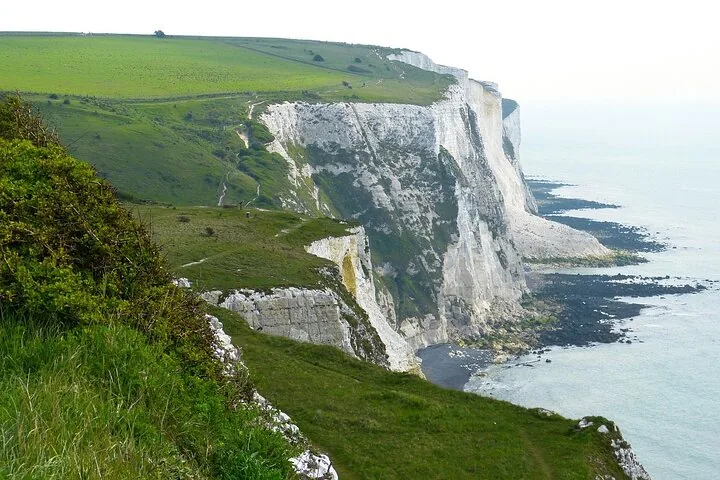
The White Cliffs of Dover are a popular spot for walkers and their pets. The National Trust manages the area and allows dogs on the trails. However, the chalk cliffs are highly unstable and drop 350 feet to the sea below. For your pet's safety, you must follow specific leash guidelines.
Are dogs allowed on the White Cliffs of Dover?
Yes, dogs are welcome on the clifftop trails and at the visitor centre.
The National Trust permits dogs across the site. You do not have to pay extra to bring your dog. However, you must keep them under close control at all times.
Do dogs need to be on a lead?
Yes, dogs must be kept on a short lead in several areas.
You must use a short lead when walking near the cliff edges. The chalk is prone to natural erosion and can give way without warning. You must also keep dogs on a lead on steep paths and whenever you are near grazing livestock.
- Near cliff edges
- On steep paths
- Around livestock (Exmoor ponies and Dexter cattle)

Is the terrain safe for dogs?
The paths are uneven chalk and flint, which can be tough on paws.
The main trails follow the cliff top and are exposed to the weather. Wind speeds can be high, and there is little shade. Bring a reusable water bottle to keep your dog hydrated. You can refill it at the visitor centre before heading out on the 4-mile round trip to the lighthouse.
Can dogs go inside the visitor centre and buildings?
Check local signage for specific building rules.
The visitor centre provides access to outdoor walking routes. While dogs are allowed on the trails, access to indoor spaces like the South Foreland Lighthouse or the underground Fan Bay Deep Shelter is restricted or limited. Always look for National Trust pawprint rating signs to see where dogs can go.

What hazards should dog owners watch for?
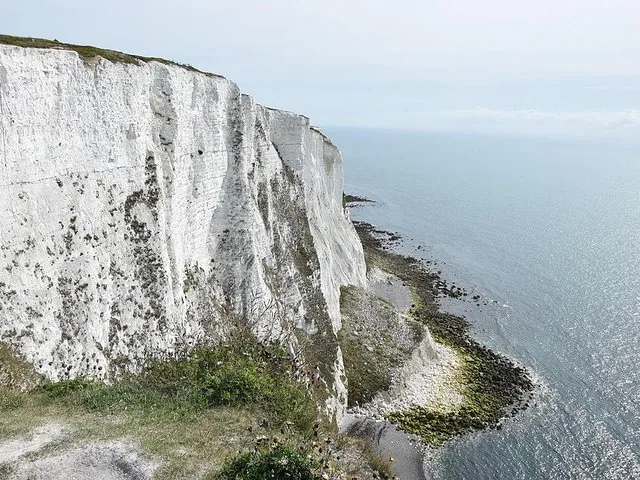
The main hazards are the sheer 350-foot drops, unstable edges, and livestock.
Never let your dog run loose near the edge. The chalk can crumble easily. Also, keep an eye out for the Exmoor ponies and Dexter cattle. These animals are used as conservation grazers on the 105 hectares of chalk grassland.
Where is the best place to walk with a dog?
The trail from the visitor centre to the South Foreland Lighthouse is a popular option.
This 2-mile route offers plenty of open space, provided you follow the lead rules. For a shorter walk, you can explore the paths immediately around the visitor centre.

Questions travellers ask
Can dogs go inside the Fan Bay Deep Shelter?
No, the Fan Bay Deep Shelter involves descending 125 steep stairs into WWII tunnels and is not suitable for dogs.
Are there dog waste bins?
Yes, dog waste bins are usually located near the visitor centre and main trailheads. Please bag and bin all waste.
Do I have to pay to park if I bring a dog?
Parking costs £5 per car, regardless of whether you bring a dog. National Trust members park for free.